Posting on social media is easy. Getting results is not. That’s where Social Media Optimization (SMO) comes in.
SMO is about improving your social media presence so your content reaches more people, gets more engagement, and supports your business goals. It’s not ads. It’s smart optimization.
This guide explains social media optimization in a clear, practical way—without fluff.
What Is Social Media Optimization?
Social Media Optimization is the process of optimizing your:
- Profiles
- Content
- Posting strategy
- Engagement methods
So your social media platforms work for you, not against you.
Unlike social media marketing (ads), SMO focuses on organic growth.
Why Social Media Optimization Matters
Without optimization:
- Your posts don’t reach the right audience
- Engagement stays low
- Growth feels random
With proper SMO, you:
- Increase visibility
- Improve engagement
- Build trust and authority
- Drive traffic to websites or offers
It’s the foundation of social media success.
Platforms Where SMO Is Most Important
SMO applies to all platforms, but especially:
- Instagram – visual content and engagement
- Facebook – communities and sharing
- LinkedIn – personal branding and B2B
- X – conversations and visibility
- YouTube – long-term content discovery
Each platform needs a slightly different optimization approach.
Step 1: Optimize Your Social Media Profiles
Your profile is your first impression.
Key optimization tips:
- Use a clear profile picture (logo or face)
- Write a keyword-rich bio
- Clearly explain what you do
- Add a strong call-to-action
- Include a website or link
If people don’t understand your profile in 5 seconds, they won’t follow.
Step 2: Content Optimization
Content is the heart of SMO.
What Optimized Content Looks Like
- Clear message
- Strong hook
- Easy-to-read format
- Relevant hashtags or keywords
- Consistent visual style
Avoid posting just to stay active. Every post should have a purpose.
Step 3: Use Keywords and Hashtags Smartly
Social platforms are search engines now.
Best practices:
- Use keywords in captions and bios
- Add relevant hashtags (not too many)
- Avoid banned or spammy hashtags
- Use platform-specific hashtag limits
Good keywords improve discoverability.
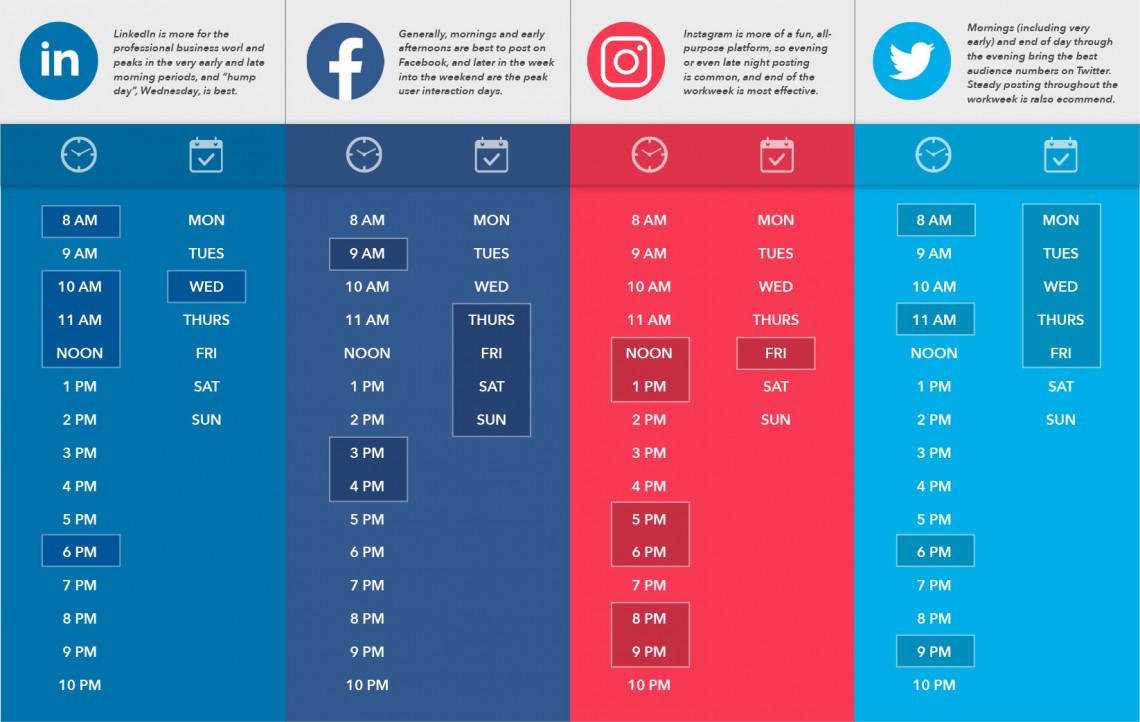
Step 4: Posting Time and Consistency
When you post matters.
General tips:
- Post when your audience is active
- Stay consistent (3–5 times a week is enough)
- Avoid long gaps between posts
Consistency builds trust with algorithms and people.


4
Step 5: Engagement Optimization
Social media is not one-way.
To optimize engagement:
- Reply to comments
- Respond to DMs
- Engage with similar accounts
- Ask questions in captions
Platforms reward accounts that interact genuinely.
Step 6: Optimize Visuals and Format
Different formats perform differently.
Use a mix of:
- Carousels
- Short videos
- Images
- Stories
Content variety keeps engagement high and avoids fatigue.
Step 7: Track and Improve Performance
SMO is not set-and-forget.
Track:
- Reach
- Engagement rate
- Profile visits
- Clicks
Double down on what works. Drop what doesn’t.
Common Social Media Optimization Mistakes
Avoid these:
- Overposting low-quality content
- Ignoring analytics
- Using irrelevant hashtags
- Copy-pasting content across platforms
- Focusing only on followers, not engagement
Optimization is about quality, not noise.
SMO vs SMM (Quick Difference)
- SMO → Organic growth and optimization
- SMM → Paid ads and promotions
Best results come when both work together.
Who Should Focus on Social Media Optimization?
SMO is essential for:
- Small businesses
- Creators and influencers
- Freelancers
- Startups
- Online brands
If social media matters to your growth, SMO is not optional.
Final Thoughts
Social Media Optimization is the smart way to grow online without spending on ads. It helps your content reach the right people, improves engagement, and builds long-term visibility.