Paid ads can bring quick traffic. But the moment you stop paying, the results disappear. Organic marketing works differently. It focuses on building trust, visibility, and demand over time—without relying on ads.
An organic marketing strategy helps brands grow consistently using content, SEO, social media, and community building. This guide breaks it down in a simple, practical way.
What Is an Organic Marketing Strategy?
Organic marketing is the process of attracting and engaging audiences naturally, without paid promotion.
It includes:
- Content marketing
- SEO
- Social media optimization
- Email marketing
- Community building
The goal is long-term visibility and trust, not instant clicks.
Why Organic Marketing Matters Today
Audiences are tired of ads. They trust content more than promotions.
Organic marketing helps you:
- Build authority and credibility
- Reduce customer acquisition costs
- Create long-term traffic assets
- Grow steadily without ad dependency
It’s slower than ads—but far more sustainable.
Core Pillars of an Organic Marketing Strategy
A strong strategy rests on a few key pillars.
1. Content Marketing (The Foundation)
Content is the engine of organic growth.
Effective content includes:
- Blog posts
- Social media posts
- Videos
- Newsletters
- Case studies
Good content solves problems. It doesn’t just promote products.
2. SEO for Long-Term Traffic
Search Engine Optimization helps people find you when they’re already searching.
Key SEO areas:
- Keyword research
- High-quality blog content
- On-page optimization
- Internal linking
- Consistent publishing
SEO turns content into a traffic asset that works 24/7.
3. Social Media Organic Growth
Organic social media focuses on reach and engagement without ads.
Platforms commonly used:
- Instagram – content and community
- LinkedIn – personal brands and B2B
- X – conversations and visibility
- YouTube – long-term discovery
Organic growth comes from consistency, not virality.
4. Audience-Centric Messaging
Organic marketing works best when it’s audience-first.
Ask:
- Who is my audience?
- What problems do they have?
- What content helps them today?
Stop talking about features. Start talking about outcomes.
5. Consistency Over Intensity
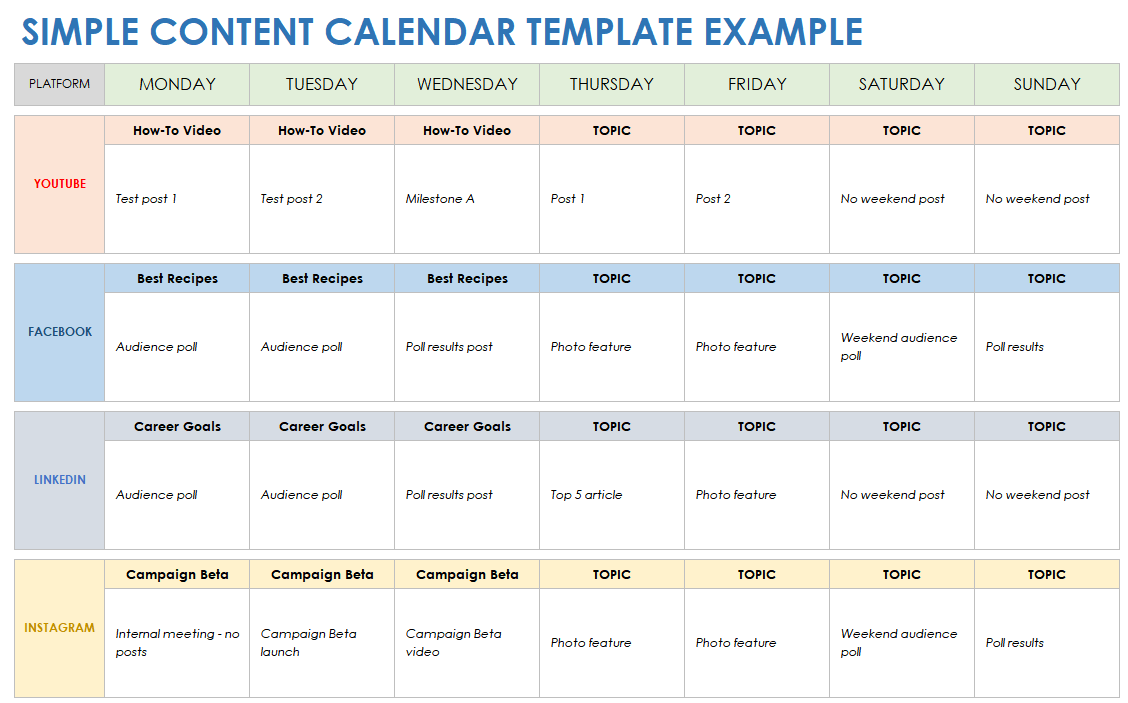
Posting daily for one week won’t help. Posting 3 times a week for 6 months will.
Consistency builds:
- Algorithm trust
- Audience familiarity
- Brand recall
Organic growth rewards patience.
4
6. Email Marketing (Often Ignored, Very Powerful)
Email is one of the strongest organic channels.
Why it works:
- You own the audience
- No algorithm dependency
- High engagement potential
Use email to share value, not just promotions.
7. Community and Engagement
Organic marketing is not one-way.
Build community by:
- Responding to comments and DMs
- Encouraging discussions
- Asking questions
- Sharing user-generated content
Engagement increases reach and trust.
Organic Marketing vs Paid Marketing
Quick comparison:
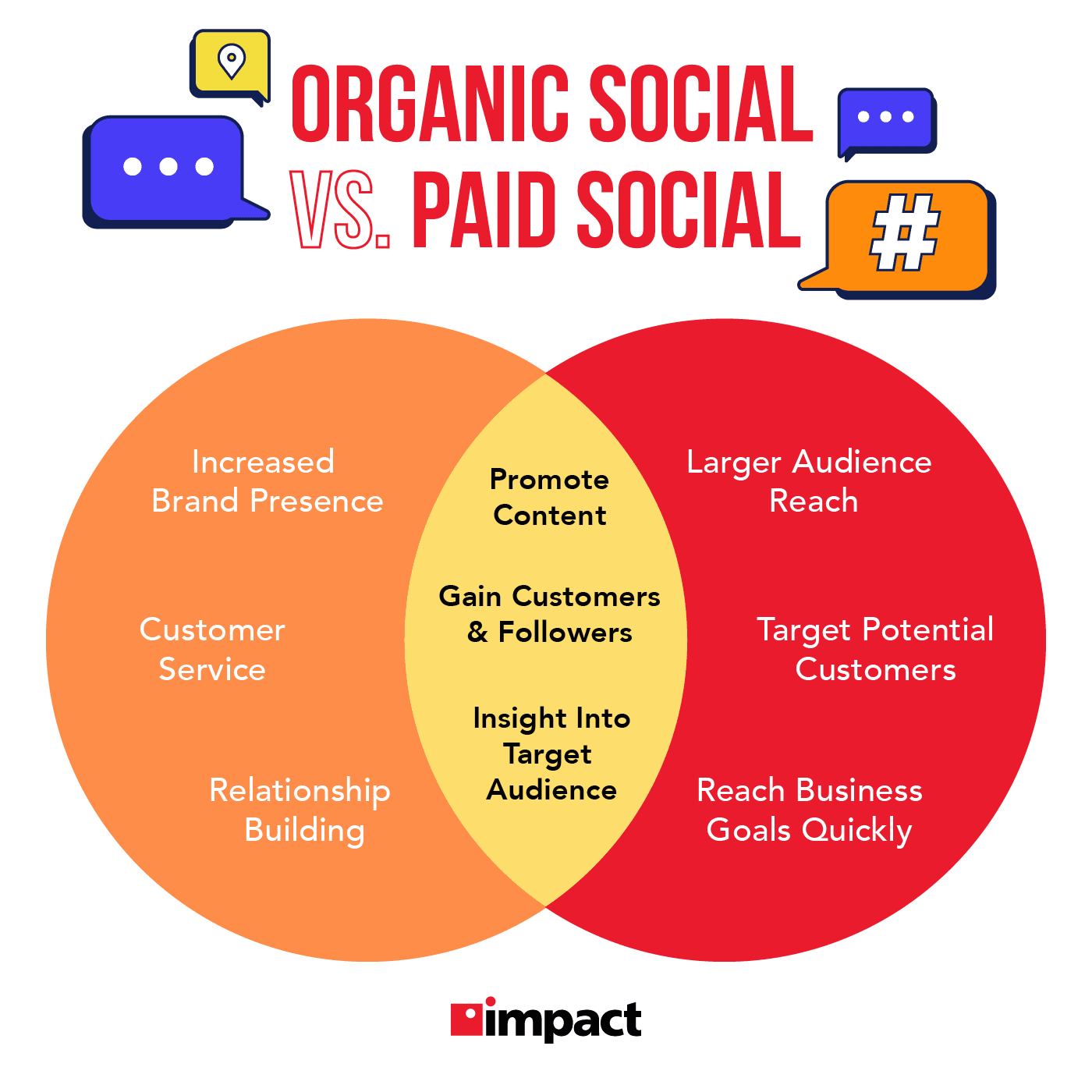
- Organic marketing → Long-term, trust-based, cost-effective
- Paid marketing → Short-term, fast results, cost-heavy
The best brands use both. But organic is the foundation.
Common Organic Marketing Mistakes
Avoid these mistakes:
- Expecting instant results
- Posting without strategy
- Copying competitors blindly
- Ignoring analytics
- Inconsistent content
Organic marketing is a system, not random posting.
How Long Does Organic Marketing Take to Work?
Typical timeline:
- 1–2 months → learning and setup
- 3–6 months → early traction
- 6–12 months → strong compounding growth
Organic marketing rewards those who stay consistent.
Tools That Support Organic Marketing
You don’t need many tools, but basics help:
- Content planners
- SEO tools
- Analytics dashboards
- Email platforms
Tools support strategy. They don’t replace it.
Who Should Use an Organic Marketing Strategy?
Organic marketing is ideal for:
- Startups
- Small businesses
- Creators
- SaaS companies
- Freelancers and agencies
If budget is limited, organic is your best friend.
Final Thoughts
An organic marketing strategy is about building assets, not chasing attention. Content compounds. Trust grows. Results last.