Ad budget planning isn’t about spending more money.
It’s about spending the right amount, in the right place, at the right time.
This guide shows you how to create perfect ad budget planning—whether you’re a beginner, a local business, or scaling paid ads.

6
Why Most Ad Budgets Fail
Most ad budgets fail because:
- They start too big
- They have no clear goal
- They chase vanity metrics
- They panic and change daily
Good ads need time + data, not emotional decisions.
Step 1: Define the Real Goal of Your Ads
Before setting a budget, answer this:
What do you want?
- Leads
- Sales
- App installs
- Website traffic
- Brand awareness
Each goal needs a different budget mindset.
Step 2: Know Your Numbers (Non-Negotiable)
You must estimate:
- Product or service price
- Profit margin
- Acceptable cost per result
Example:
- Product price: $100
- Profit per sale: $40
- Max cost per sale: $20
If you don’t know these numbers, you’re gambling.
Step 3: Choose the Right Budget Type
Daily Budget
Best for:
- Testing
- Beginners
- Local businesses
More control. Less risk.
Lifetime Budget
Best for:
- Fixed campaigns
- Promotions
- Launches
Facebook or Google auto-optimizes spend.
Step 4: Start Small (Always)
Never start big—even if you have money.
Safe starting ranges:
- Local business: $5–$15/day
- Online service: $10–$30/day
- E-commerce testing: $20–$50/day
Scaling comes after proof, not before.

6
Step 5: Split Your Budget the Smart Way
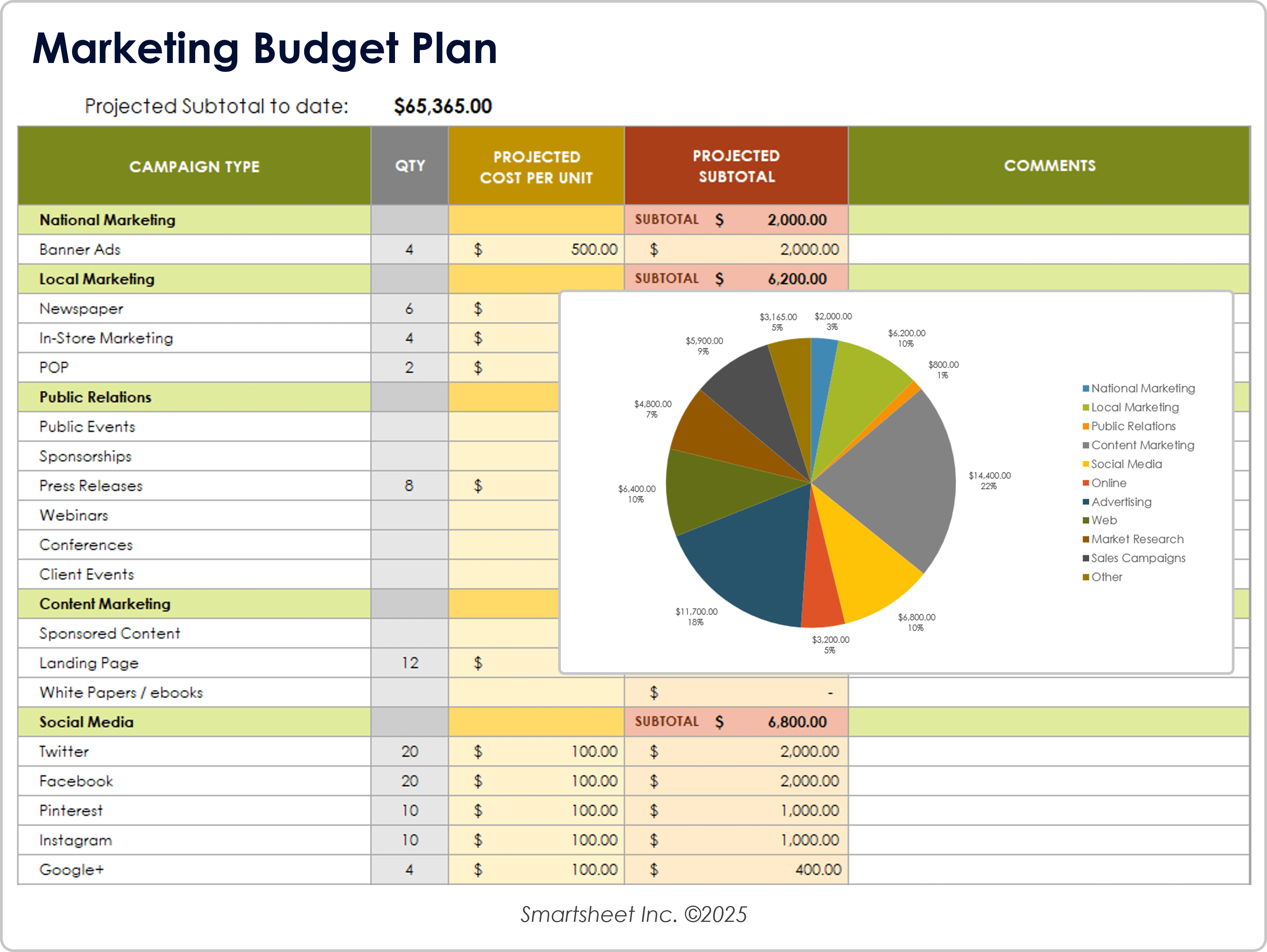
Use the 70–20–10 rule:
- 70% → proven campaigns
- 20% → testing new creatives
- 10% → experiments (new audiences or platforms)
This protects performance while allowing growth.
Step 6: Budget Based on Funnel Stage
Not all traffic costs the same.
- Awareness ads → cheaper
- Consideration ads → mid-cost
- Conversion ads → expensive but valuable
Don’t put 100% of budget into cold sales ads.
Step 7: Platform-Wise Budget Planning
Google Ads
- Higher cost
- High intent
- Works best for services
Budget carefully. Track calls or leads.
Facebook & Instagram Ads
- Lower entry cost
- Better for discovery
- Needs testing time
Budget for learning, not instant results.
YouTube Ads
- Awareness focused
- Needs patience
- Cheaper reach
Best combined with retargeting.
Step 8: Give Ads Time to Learn
Most platforms need data.
Minimum time:
- 3–5 days for early signals
- 7–14 days for stable results
Killing ads too early wastes money.
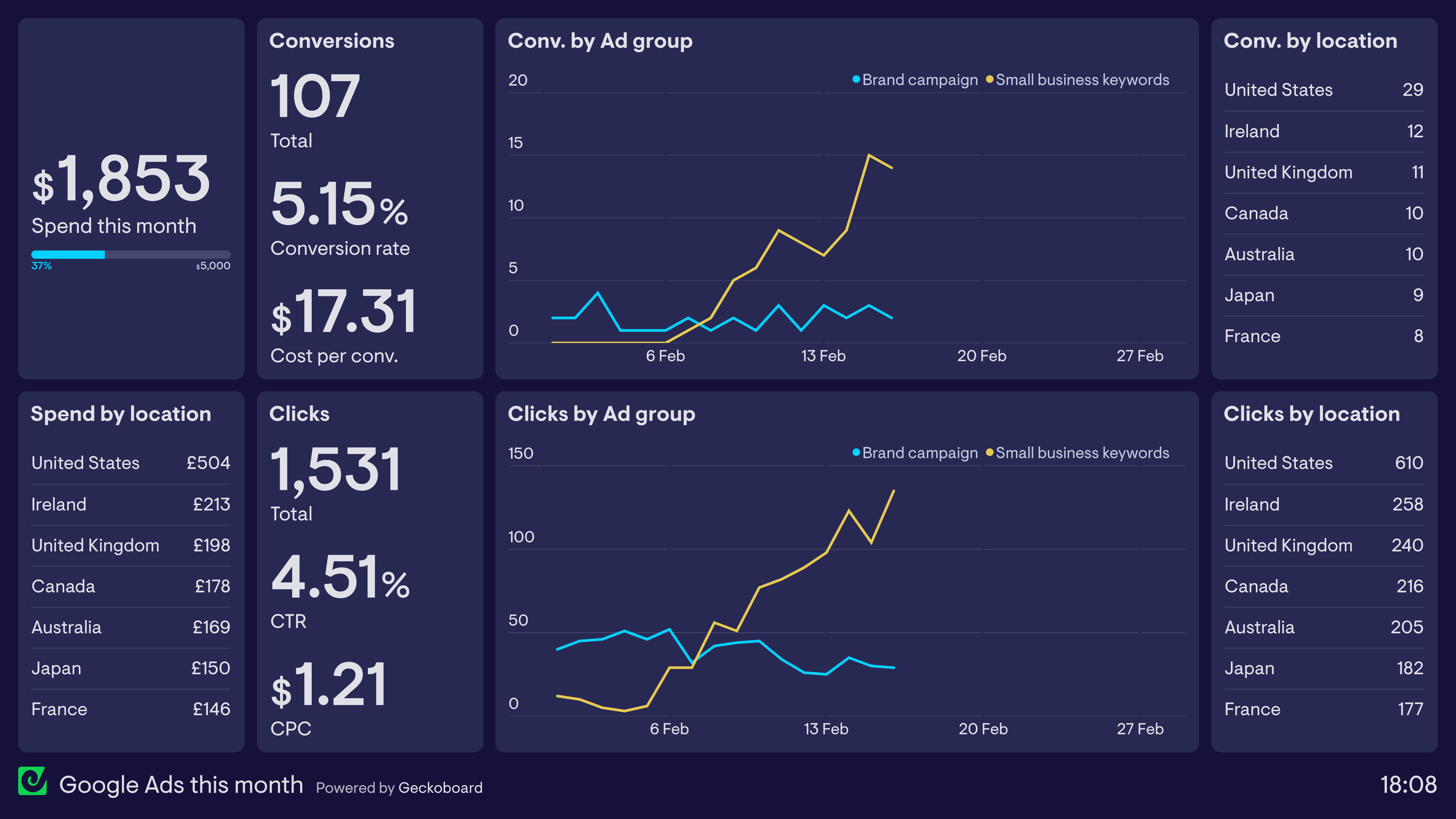
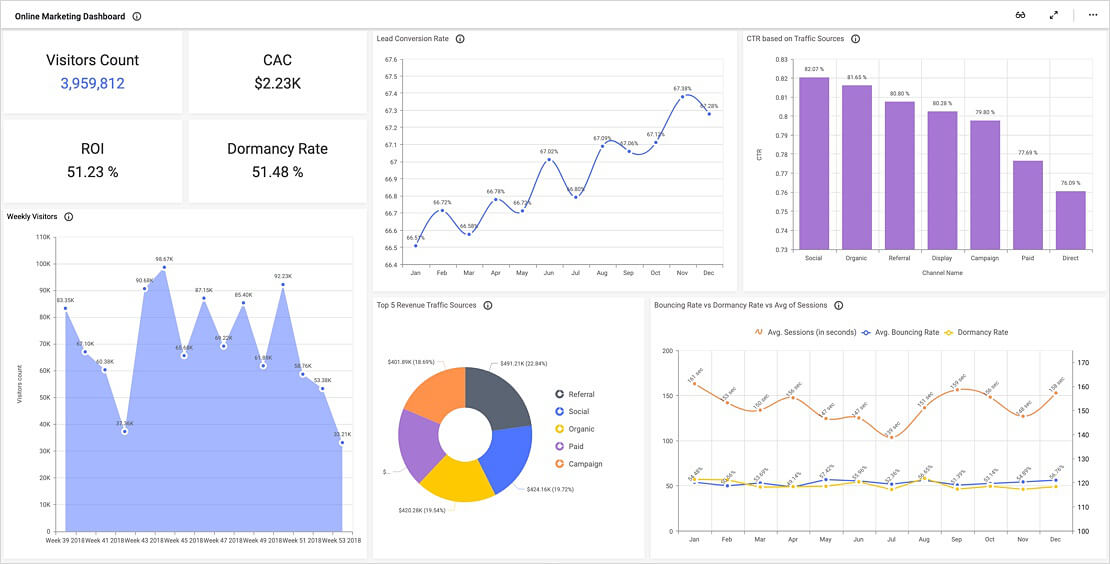
Step 9: Track the Right Metrics
Ignore likes and impressions.
Track:
- Cost per lead
- Cost per sale
- Conversion rate
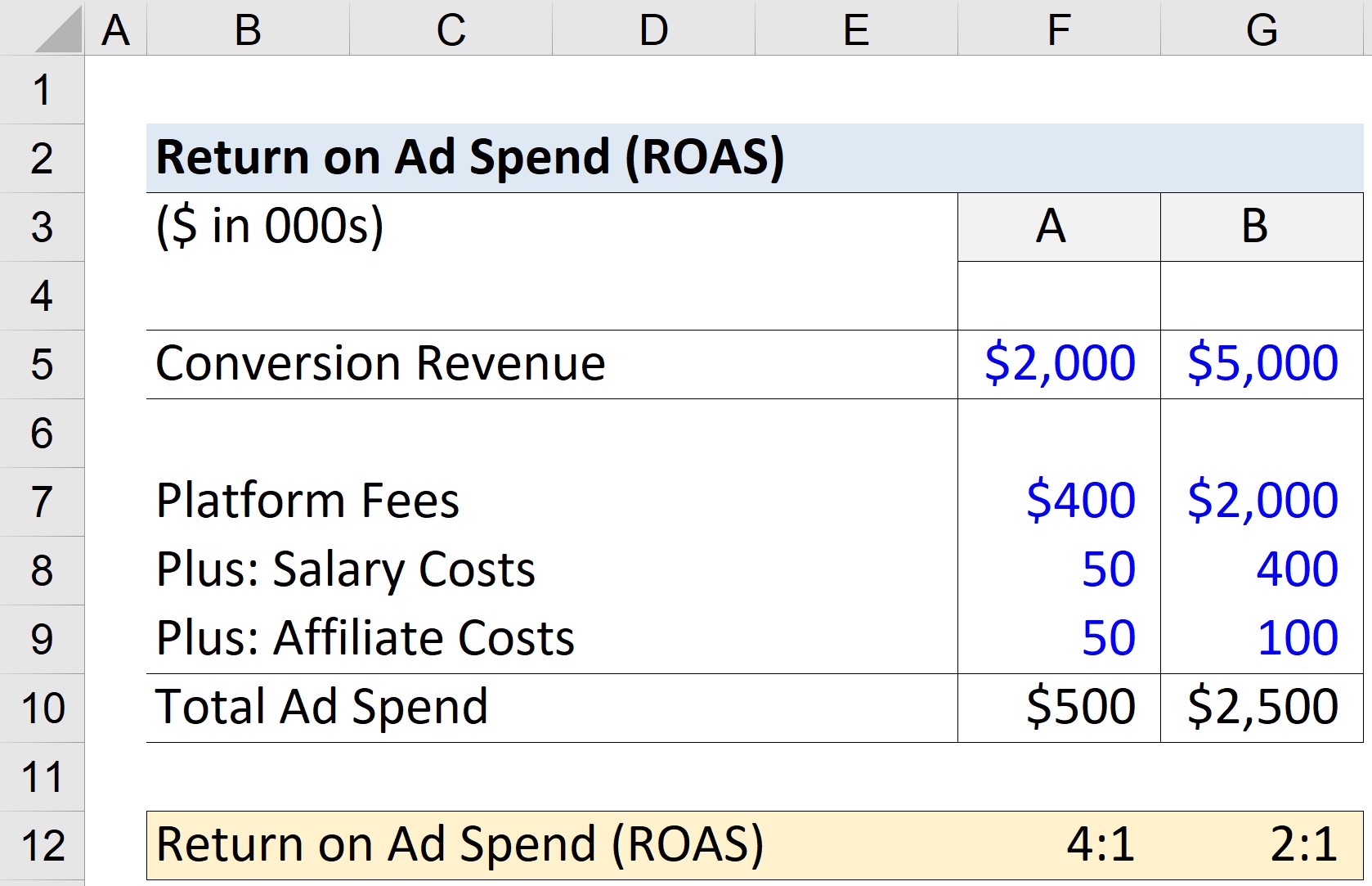
- Return on ad spend (ROAS)
Budget decisions should follow results, not feelings.
6
Step 10: Scale Budget the Right Way
Never double budgets overnight.
Safe scaling rules:
- Increase budget by 15–30%
- Wait 48–72 hours
- Monitor performance
- Scale winners only
Slow scaling keeps algorithms stable.
Step 11: When to Reduce or Pause Budget
Reduce spend if:
- Costs rise suddenly
- Leads quality drops
- Conversion tracking breaks
Pause only when:
- Ads are clearly unprofitable
- Data shows consistent loss
Don’t pause based on one bad day.
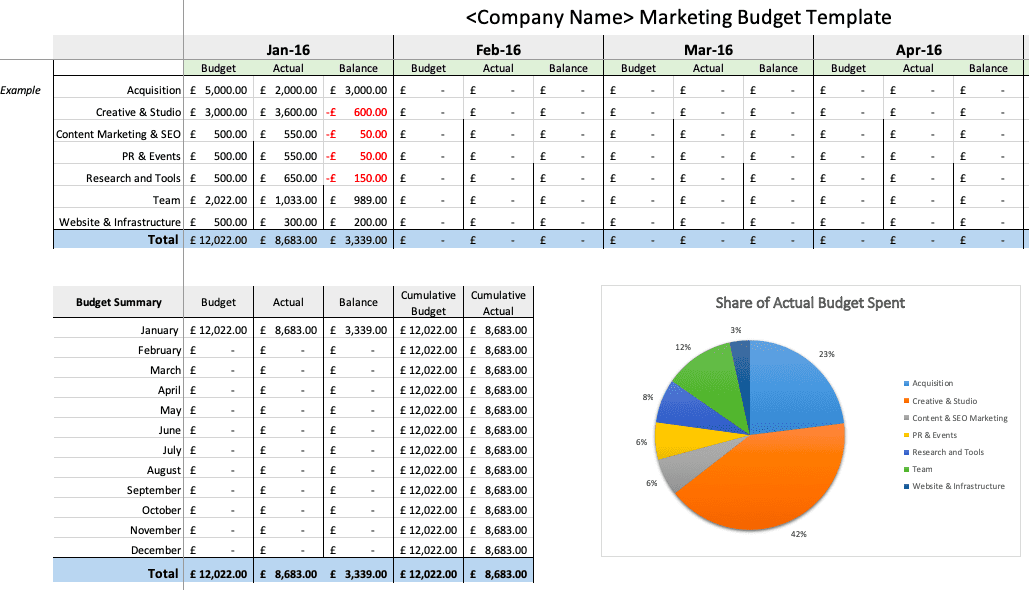
Step 12: Monthly Ad Budget Planning Formula
Simple approach:
- Revenue goal
- Conversion rate
- Cost per conversion
Example:
- Revenue target: $3,000
- Product price: $100
- Needed sales: 30
- Cost per sale: $20
- Monthly ad budget: $600
Work backwards. Always.
Common Budget Planning Mistakes
Avoid these:
- Spending too much too early
- Changing budgets daily
- Running too many campaigns
- Ignoring backend sales
- No follow-up system
Ads don’t work alone. Systems do.
Perfect Ad Budget Mindset
Think like this:
- Ads are data collection tools
- Losses are lessons early on
- Profits come after optimization
- Consistency beats intensity
Ad success is built, not rushed.
Simple Budget Plan You Can Copy
- Start with a small daily budget
- Test 2–3 creatives
- Wait 5–7 days
- Kill losers
- Scale winners slowly
- Review weekly
- Plan monthly
Repeat this cycle.
Final Thoughts
Perfect ad budget planning is about control, patience, and clarity.
Not spending more. Spending smarter.
If you can manage your budget well,
ads stop being risky—and start becoming predictable.