Video ads work when they grab attention fast, tell a clear story, and drive action.
They fail when they look like ads, drag too long, or confuse viewers.
This guide breaks down video ads best practices you can apply across platforms like social media, YouTube, and paid ads—without overcomplicating things.

6
Why Video Ads Matter More Than Ever
People scroll fast. Text gets ignored.
Video stops the scroll.
Good video ads:
- Capture attention in seconds
- Explain value quickly
- Build trust visually
- Convert better than static ads
But only if done right.
The Biggest Mistake in Video Ads
Most brands focus on:
- Being creative
- Looking polished
- Explaining everything
Instead of:
- Being clear
- Solving one problem
- Driving one action
Clarity beats creativity in ads.
Video Ads Best Practices That Work
1. Hook in the First 3 Seconds
The first 3 seconds decide everything.
Strong hooks include:
- A bold statement
- A common problem
- A surprising result
- A visual pattern break
If you lose attention early, nothing else matters.
2. Design for Sound-Off Viewing
Most people watch ads without sound.
Always:
- Add captions
- Use on-screen text
- Show the message visually
Sound should enhance—not carry—the ad.
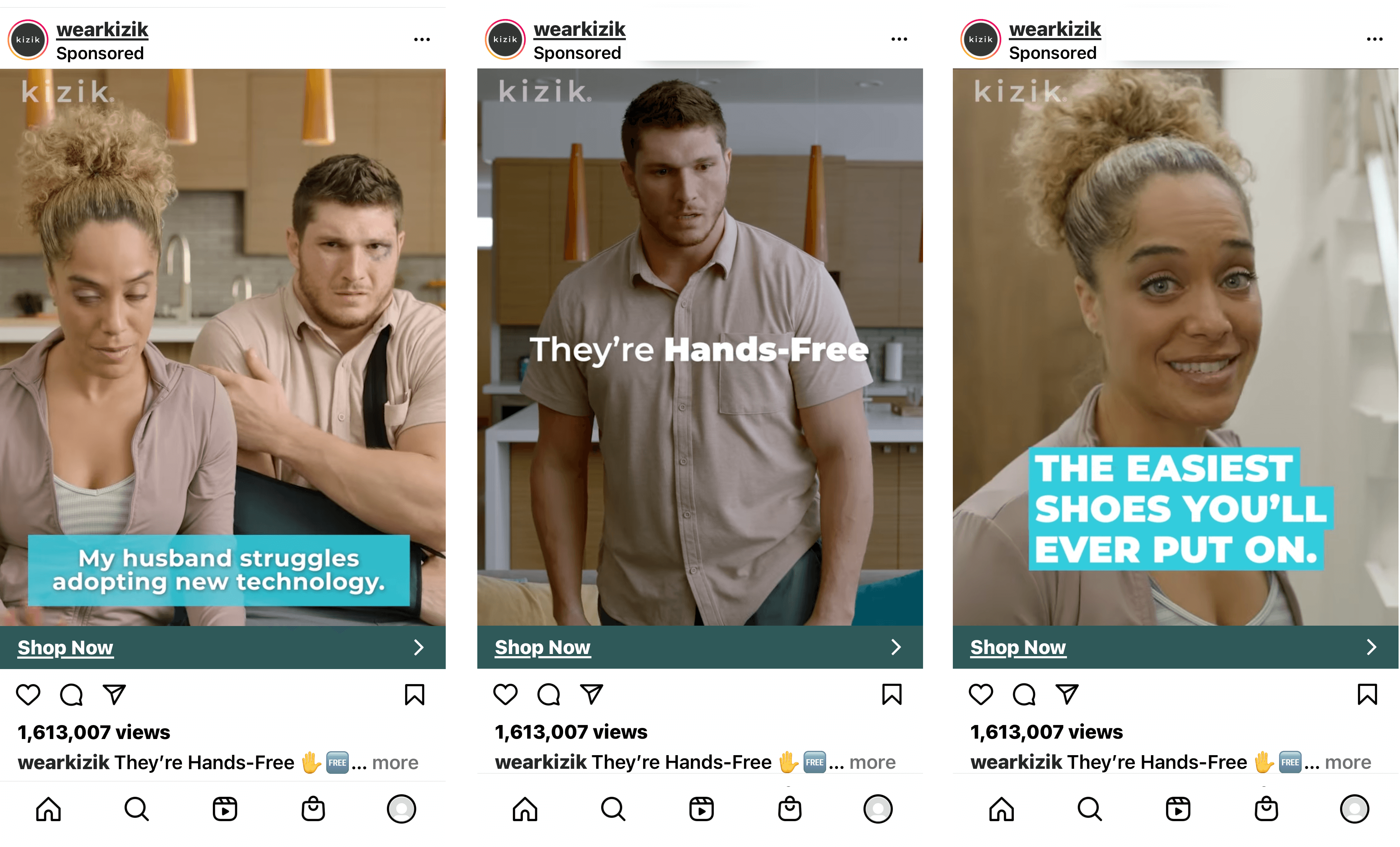
3. Show the Problem Before the Solution
People pay attention when they feel understood.
Structure your ad like this:
- Problem
- Frustration
- Solution
- Outcome
If viewers relate to the problem, they’ll stay.
4. Keep It Short and Focused
Shorter ads usually perform better.
General guidelines:
- 6–15 seconds: social feeds
- 15–30 seconds: strong storytelling
- 30–60 seconds: education or demos
One message per video. No exceptions.

6
5. Make the Brand Visible Early
Don’t hide your brand until the end.
Show:
- Logo
- Product
- Interface
- Face of the brand
Early branding improves recall—even if they don’t click.
6. Focus on Benefits, Not Features
Features explain. Benefits sell.
Instead of:
- “Our app has X feature”
Say:
- “Save 2 hours every day”
Always answer: What’s in it for them?
7. Use Real People and Real Voices
Authenticity converts.
Best-performing formats often include:
- Founders speaking
- Customers explaining results
- UGC-style videos
- Simple talking-head clips
Polished doesn’t mean trustworthy.
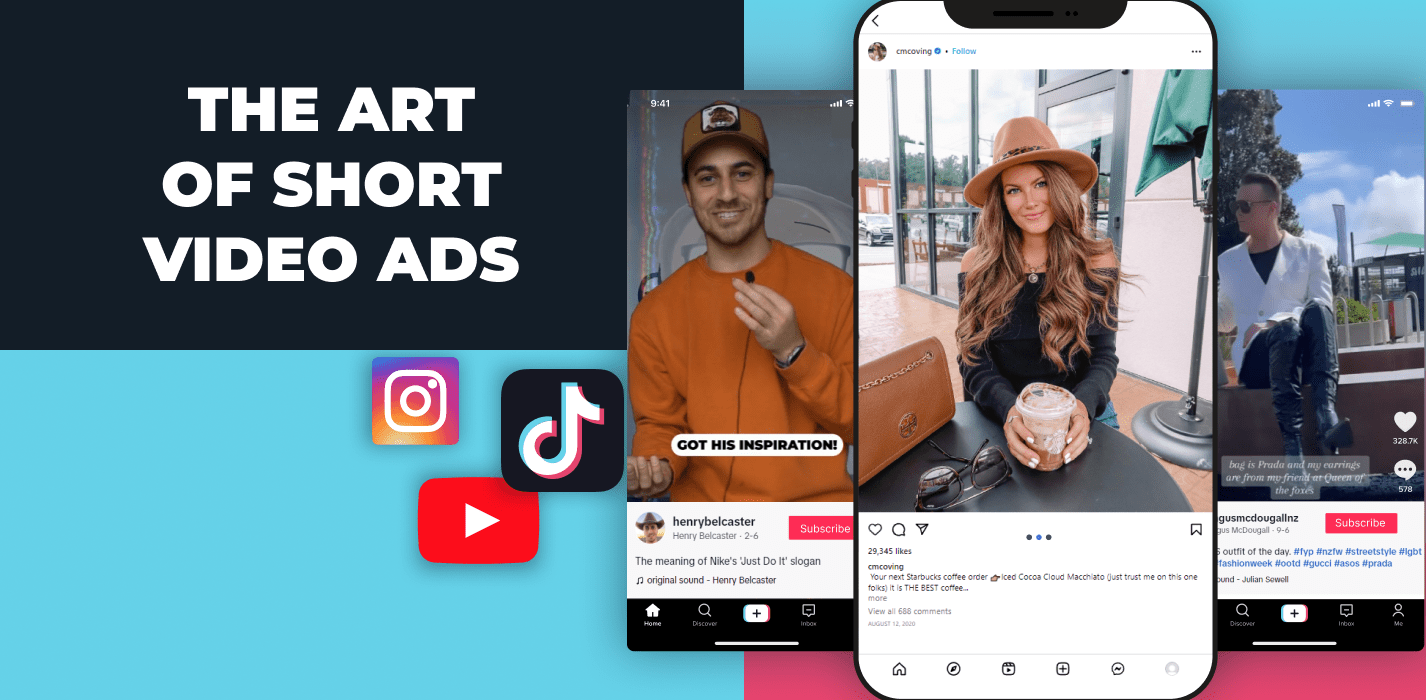
8. Optimize for Each Platform
One video ≠ all platforms.
Adjust:
- Aspect ratio (9:16, 1:1, 16:9)
- Length
- Text size
- CTA placement
Native-looking ads perform better.
9. Add a Clear Call-to-Action (CTA)
Never assume people know what to do next.
Clear CTAs:
- “Learn more”
- “Get started”
- “Download now”
- “Book a demo”
Say it visually and verbally.



6
10. Test Multiple Variations
Winning ads are found through testing.
Test:
- Different hooks
- Different opening visuals
- Different CTAs
- Different lengths
Small changes can double performance.
11. Use Social Proof When Possible
Proof builds trust fast.
Include:
- Testimonials
- Results
- Reviews
- Before/after visuals
Even one line of proof helps.
12. Match the Ad to the Funnel Stage
Not all viewers are ready to buy.
- Cold audience → awareness videos
- Warm audience → benefit-driven ads
- Hot audience → offer-focused ads
Wrong message = wasted spend.
13. Keep the Message Simple
If your ad needs explanation, it’s too complex.
Good rule:
If a 10-year-old can’t understand it, simplify it.
Common Video Ad Mistakes to Avoid
- Long intros
- Overloaded text
- Weak hooks
- No captions
- Too many ideas
- No CTA
Fixing these alone improves results.
How to Measure Video Ad Performance
Key metrics to watch:
- Hook retention (first 3 seconds)
- Watch time
- Click-through rate
- Cost per result
Low retention = fix the opening.
Simple High-Converting Video Ad Structure
Use this template:
- Hook (problem or promise)
- Agitation (why it matters)
- Solution (your offer)
- Outcome (result)
- CTA
Keep it tight. Keep it clear.
Final Thoughts
Video ads don’t need to be perfect.
They need to be clear, relevant, and focused.
Start simple. Test often. Improve fast.
That’s how high-performing video ads are built.